Choosing the perfect color scheme for your car interior is more than just a matter of aesthetics; it reflects your personality and enhances your driving experience. As we move into the upcoming year, the trends in car interiors are evolving, with a focus on personalization and sustainability. Understanding how to select the right colors can transform your vehicle into a sanctuary that resonates with your style and preferences.
Understanding Color Psychology
Color psychology plays a significant role in how we perceive our surroundings, including the interiors of our cars. Different colors evoke different emotions; for instance, blue is often associated with calmness and serenity, while red can stimulate energy and excitement. When choosing a color scheme, consider how you want to feel when you’re behind the wheel. A soothing palette can create a relaxing atmosphere, perfect for long drives, while vibrant colors can energize your daily commute.
Moreover, the psychological impact of colors can also influence the perception of space within your vehicle. Lighter colors can make a small interior feel more spacious, while darker shades can provide a cozy, intimate feel. As we look ahead to the next year, expect to see more manufacturers embracing color psychology in their designs, offering consumers a wider array of options that cater to emotional well-being.
Emerging Trends in Car Interior Colors
As we forecast the trends for the upcoming year, one notable shift is the rise of earthy tones and natural hues. Colors such as terracotta, olive green, and muted browns are gaining popularity as consumers seek to bring elements of nature into their vehicles. This trend aligns with a broader movement towards sustainability and eco-friendliness, as these colors often come from natural dyes and materials. Expect to see more car manufacturers incorporating these shades into their interior designs, appealing to environmentally conscious buyers.
Another emerging trend is the use of bold, contrasting color schemes. This approach allows for a more dynamic and personalized interior, where consumers can mix and match colors to create a unique look. For instance, pairing a deep navy blue with bright orange accents can create a striking visual impact. As customization becomes more accessible, car owners will have the opportunity to express their individuality through their color choices, making their vehicles truly one-of-a-kind.
Practical Considerations for Color Selection
While aesthetics are crucial, practical considerations should also guide your color selection. For example, lighter colors may show dirt and stains more easily, requiring more frequent cleaning. On the other hand, darker colors can hide imperfections but may absorb heat, making the interior uncomfortable in hot weather. When selecting your color scheme, think about your lifestyle and how much maintenance you’re willing to commit to keeping your car looking pristine.
Additionally, consider the resale value of your vehicle. While personal preference is essential, opting for neutral colors can appeal to a broader audience when it comes time to sell. Classic shades like black, gray, and beige tend to retain their value better than more adventurous colors. Balancing your personal taste with practical considerations will ensure that your car interior remains stylish and functional.
Personalization and Customization Options
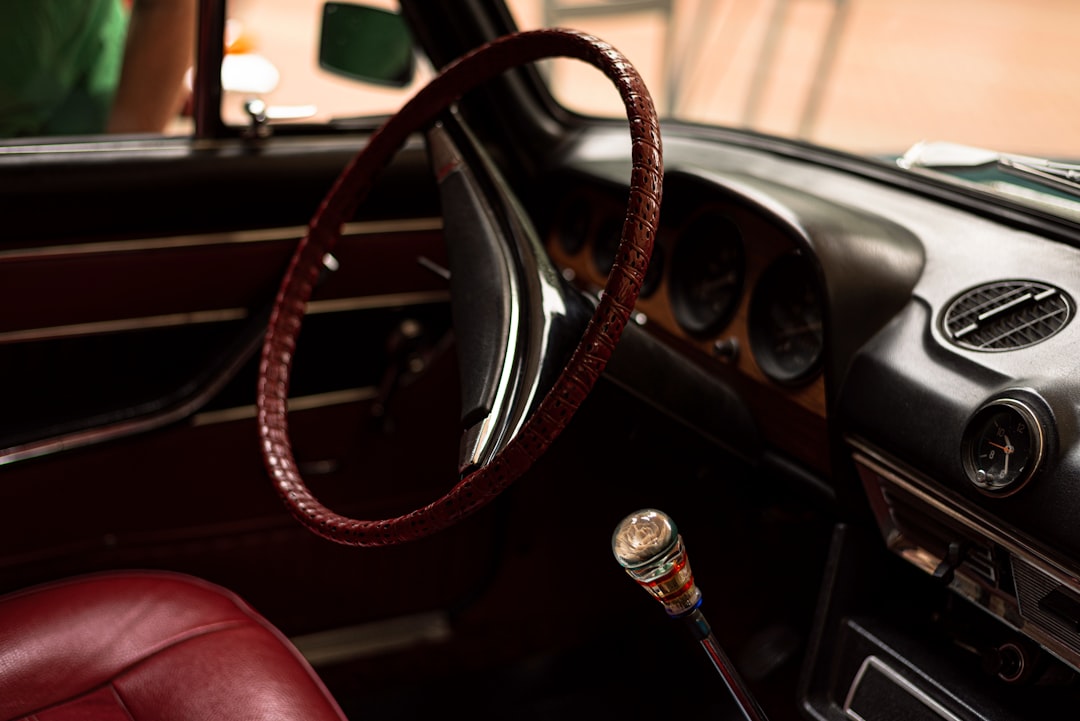
In the age of personalization, car interiors are no longer one-size-fits-all. Many manufacturers are now offering customization options that allow buyers to select their preferred color schemes and materials. This trend is expected to grow in the upcoming year, with more brands providing extensive catalogs of colors and finishes. From leather to fabric, the choices available can help you create an interior that reflects your unique style.
Moreover, technology is playing a pivotal role in customization. With advancements in digital printing and textile technology, consumers can now choose intricate patterns and textures that were previously unavailable. This innovation not only enhances the visual appeal of car interiors but also allows for greater expression of individuality. As we move forward, expect to see even more innovative options that push the boundaries of traditional car interior design.